Finding a Summer Camp That Actually Fits Your Child
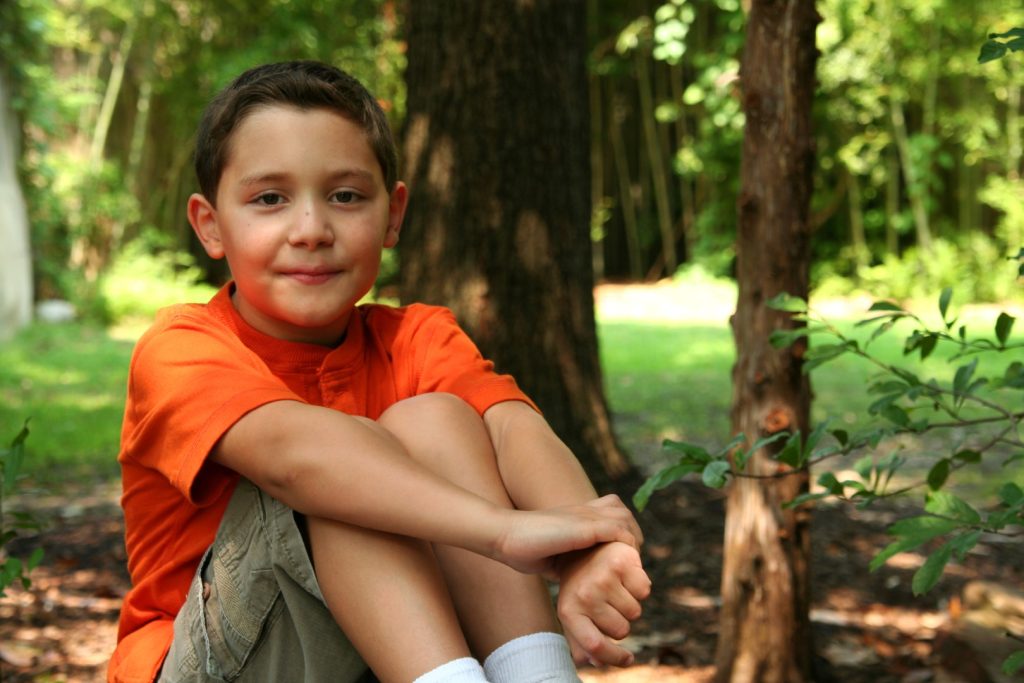
When summer camp season rolls around, many parents focus on finding the camp with the best reviews or the busiest schedule of activities. But a camp’s popularity doesn’t guarantee it’s the right environment for every child, fit matters far more than reputation. For families across our California, Arizona, and Colorado communities, camp options range widely, […]
Why Water Safety Takes Practice: Building Real Swim Confidence This Summer
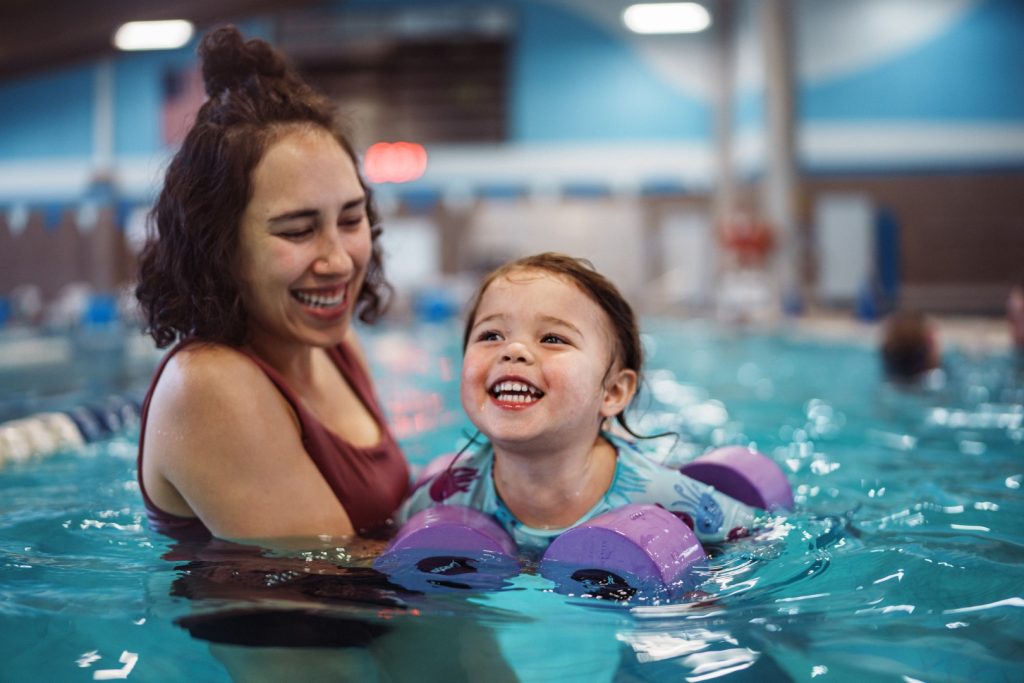
As soon as pools reopen for the season, many parents want the same thing: for their child to feel safe and comfortable in the water as quickly as possible. It’s an understandable goal, but true water safety isn’t something that clicks into place after one or two lessons. It’s built gradually, through repeated, positive experiences […]
Boredom, Meltdowns, and Too Much Screen Time: The Autism Parent’s Summer Survival Guide

Summer looks great on paper. No school, no early mornings, no homework battles. Just open days and sunshine and time together as a family. And then the first week hits. For parents of children with autism, summer break can flip from relief to overwhelm faster than anyone expects. The structure that kept your child regulated […]
The 10-Minute Wind-Down: A Simple Bedtime Routine for Kids Who Struggle With Transitions

Bedtime is hard for a lot of kids. But for children with autism, the shift from the activity and stimulation of the day to the quiet and stillness of sleep can feel genuinely overwhelming. It’s not stubbornness. It’s not manipulation. For many kids, the transition itself is the problem, and without the right support, it […]
The One Thing Most Parents Get Wrong About ABA Therapy

When parents first hear the words “ABA therapy,” most picture something pretty specific. A therapist sitting across from a child at a table. Flashcards. Repetition. A clinical, structured environment where a child is drilled on skills until they get it right. It’s an understandable image. It’s also, in most cases, outdated. The single most common […]
Why Summer Is Actually One of the Best Times to Start In-Home ABA Therapy

If you’ve been thinking about starting ABA therapy for your child, you’ve probably heard some version of this advice: wait until things settle down. Wait until after the holidays. Wait until the new school year. Wait until life feels less chaotic. Here’s the thing — for families navigating autism, things rarely just settle down on […]
Navigating Family Gatherings with an Autistic Child: What Actually Helps

Family gatherings are supposed to be fun. And sometimes they are. But if you have a child with autism, you know that “supposed to be” does a lot of heavy lifting in that sentence. The noise, the crowds, the disrupted schedule, the well-meaning relatives who don’t quite get it, the moment your child hits a […]
How to Talk to Your Child’s School About Their ABA Goals

If your child receives in-home ABA therapy, you already know how much work goes into building their skills at home. But what happens when they walk out the front door and into a classroom? All of that progress needs somewhere to go. For a lot of parents, the school piece is where things get complicated. […]
Does My Child Need ABA Therapy? Questions Every Parent Should Ask

If you’ve found yourself Googling “ABA therapy” at midnight, reading through forums, and still not sure what to do next, you’re in good company. For a lot of families, the path to ABA therapy starts not with a clear answer but with a pile of questions and a nagging feeling that your child might need […]
The Mental Health Side of Autism: What Parents Need to Know

May is Mental Health Awareness Month, and while most of the conversation focuses on adults, there’s an important piece that often gets overlooked: the mental health of children with autism. If your child has ever seemed unusually anxious, withdrawn, or emotionally overwhelmed, you’re not imagining it. Mental health challenges are incredibly common in children on […]